

History of The Japanese Akita Inu
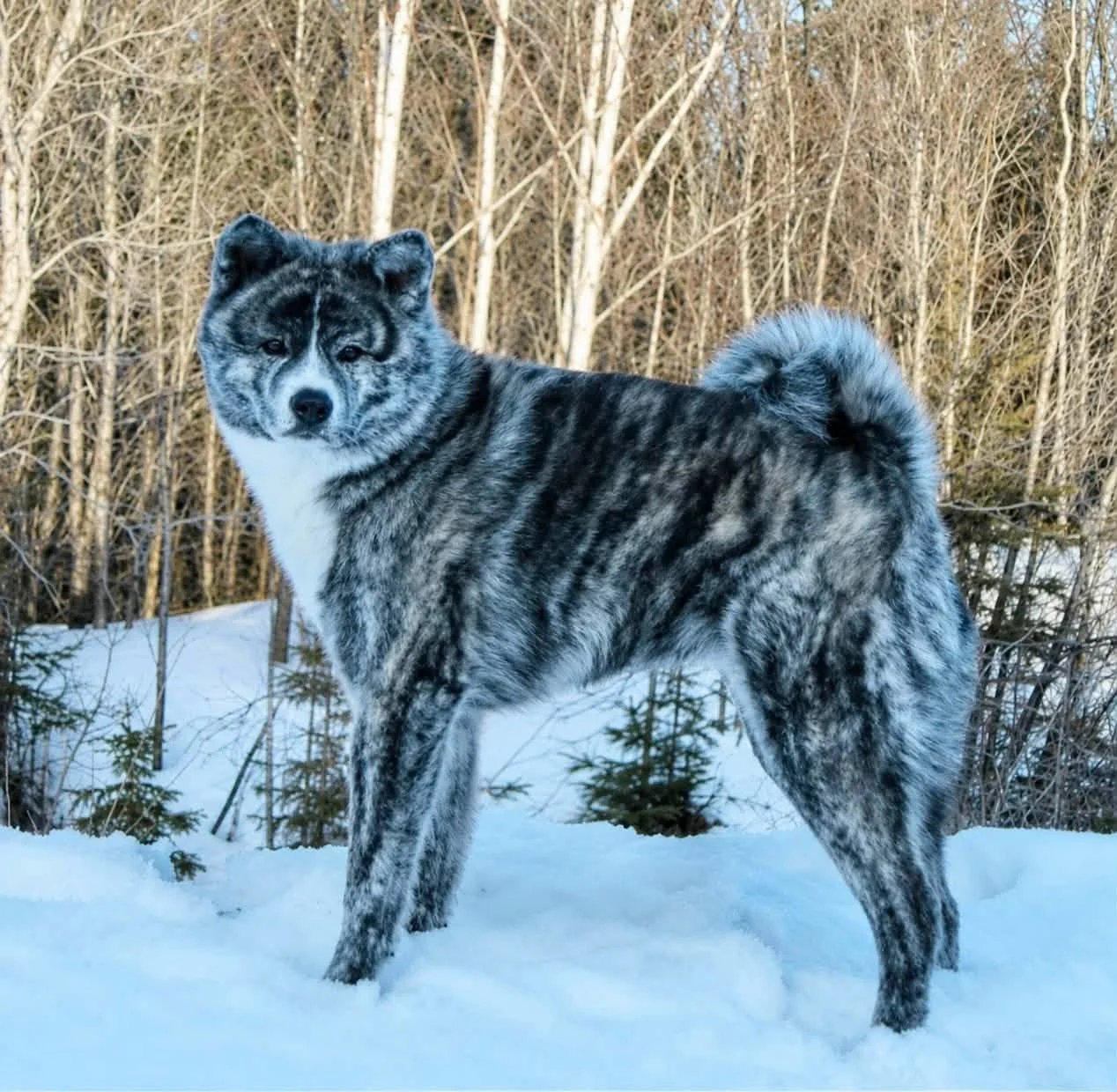
“𝘛𝘩𝘦 𝘈𝘬𝘪𝘵𝘢 𝘐𝘯𝘶 — 秋田犬 — 𝘪𝘴 𝘵𝘩𝘦 𝘵𝘢𝘮𝘦𝘥 𝘸𝘰𝘭𝘧 𝘴𝘱𝘪𝘳𝘪𝘵 𝘰𝘧 𝘑𝘢𝘱𝘢𝘯”
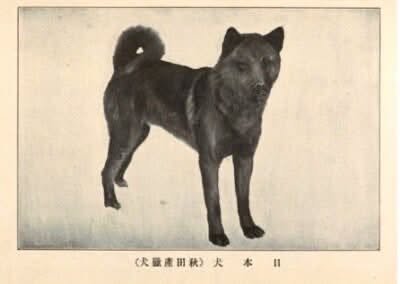
Akita Inu Hunting Dog Early 1900s
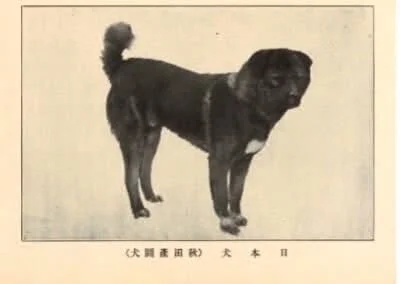
Akita Inu Fighting Dog Early 1900s
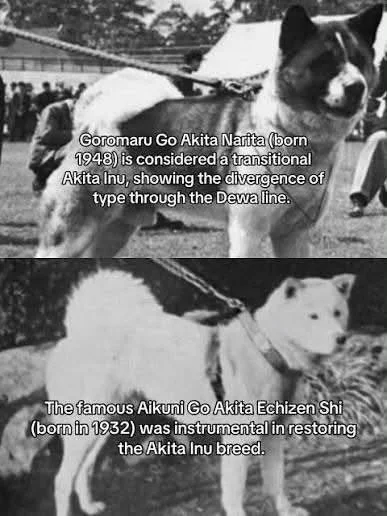
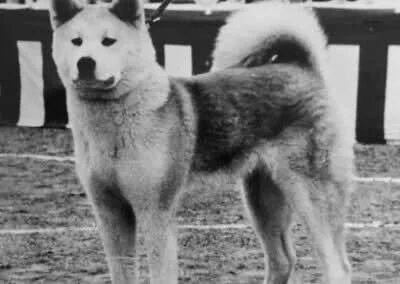
1970, red female
Hunting dogs, fighting dogs, guardian dogs, Japanese Royalty, and near extinction twice… The Japanese Akita is a breed so rich in history, yet was almost forgotten
Long before the Akita Inu became one of Japan’s national treasures, its ancestors were the Matagi Inu. These were mountain hunting dogs that worked alongside the Matagi, the traditional hunters of northern Japan. These dogs became the foundation for the Akita Inu.
But in the late 1800s, everything changed.
After 1850, unrest in the Dewa region of Japan resulted in peasant uprisings. As a result, the nobility and those in the upper end of the economic range began using the local dogs to guard their property. As larger guard dogs and fighting dogs became popular, native Akitas were crossed with breeds such as the Tosa, Mastiff, Great Dane, and St. Bernard, among other Western breeds, to create bigger, stronger dogs.
The result was impressive, but the original Japanese Akita was slowly disappearing. By the early 1900s, many Japanese breeders believed the breed had lost the qualities that made it a true Japanese dog. Larger size, heavier build, black masks, loose lips, and other foreign traits were replacing the elegant spitz type appearance of the native Akita.
In 1927, the Akita Inu Hozonkai (AKIHO) was founded with one mission: “Save the original Akita Inu.” The restoration had begun.
Then came World War II.
Food shortages, government confiscation of dogs, and continued crossbreeding left only a handful of native type Akitas alive. The breed that had just begun to be restored was once again on the brink of disappearing.
After the war, many of the larger Dewa line Akitas were taken to North America by returning American war men. Those dogs continued to be developed into the larger, heavier breed we now know as the American Akita.
Meanwhile, breeders in Japan refused to let their native Akita disappear. They searched the country for the remaining native type Akitas and spent decades rebuilding the breed, selecting generation after generation for the traditional Japanese type.
The Akita Inu was saved twice.
First from losing its identity through crossbreeding. Then from near extinction during World War II. Because of those preservation efforts, we now have two distinct breeds: the American Akita and the Japanese Akita Inu.
The Japanese Akita Inu isn’t just an ancient breed, it isn’t just a Japanese national treasure. It’s one of the greatest breed preservation stories in the canine world.