History of The Redbone Coonhound
“𝙏𝙝𝙚 𝙍𝙚𝙙𝙗𝙤𝙣𝙚 𝘾𝙤𝙤𝙣𝙝𝙤𝙪𝙣𝙙 𝙞𝙨 𝙩𝙝𝙚 𝙮𝙤𝙪𝙣𝙜𝙚𝙨𝙩 𝙤𝙛 𝙩𝙝𝙚 𝙤𝙡𝙙 𝘼𝙢𝙚𝙧𝙞𝙘𝙖𝙣 𝙝𝙤𝙪𝙣𝙙 𝙗𝙧𝙚𝙚𝙙𝙨, 𝙮𝙚𝙩 𝙞𝙩 𝙨𝙩𝙖𝙣𝙙𝙨 𝙖𝙢𝙤𝙣𝙜 𝙩𝙝𝙚 𝙤𝙡𝙙𝙚𝙨𝙩 𝙖𝙣𝙙 𝙢𝙤𝙨𝙩 𝙝𝙞𝙨𝙩𝙤𝙧𝙞𝙘𝙖𝙡𝙡𝙮 𝙨𝙞𝙜𝙣𝙞𝙛𝙞𝙘𝙖𝙣𝙩 𝙩𝙧𝙚𝙚𝙞𝙣𝙜 𝙝𝙤𝙪𝙣𝙙 𝙗𝙧𝙚𝙚𝙙𝙨 𝙬𝙚 𝙝𝙖𝙫𝙚 𝙩𝙤𝙙𝙖𝙮.”
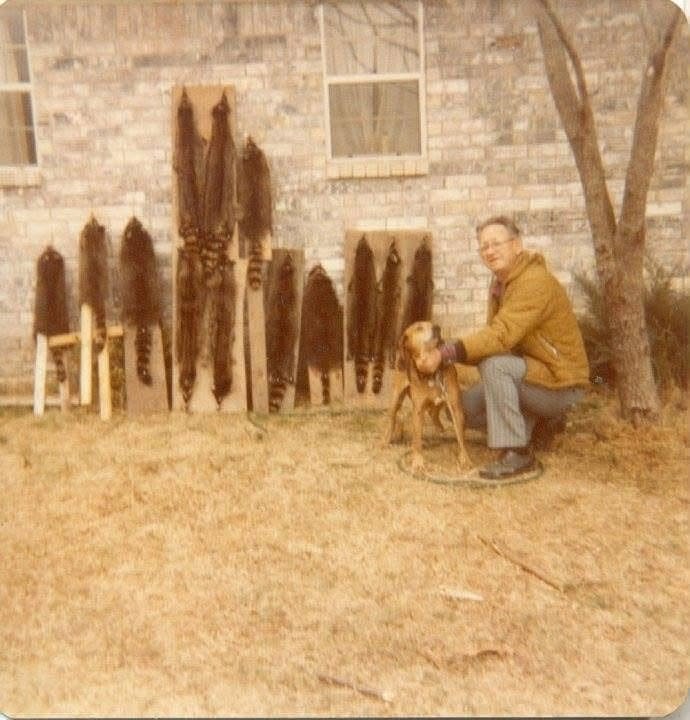
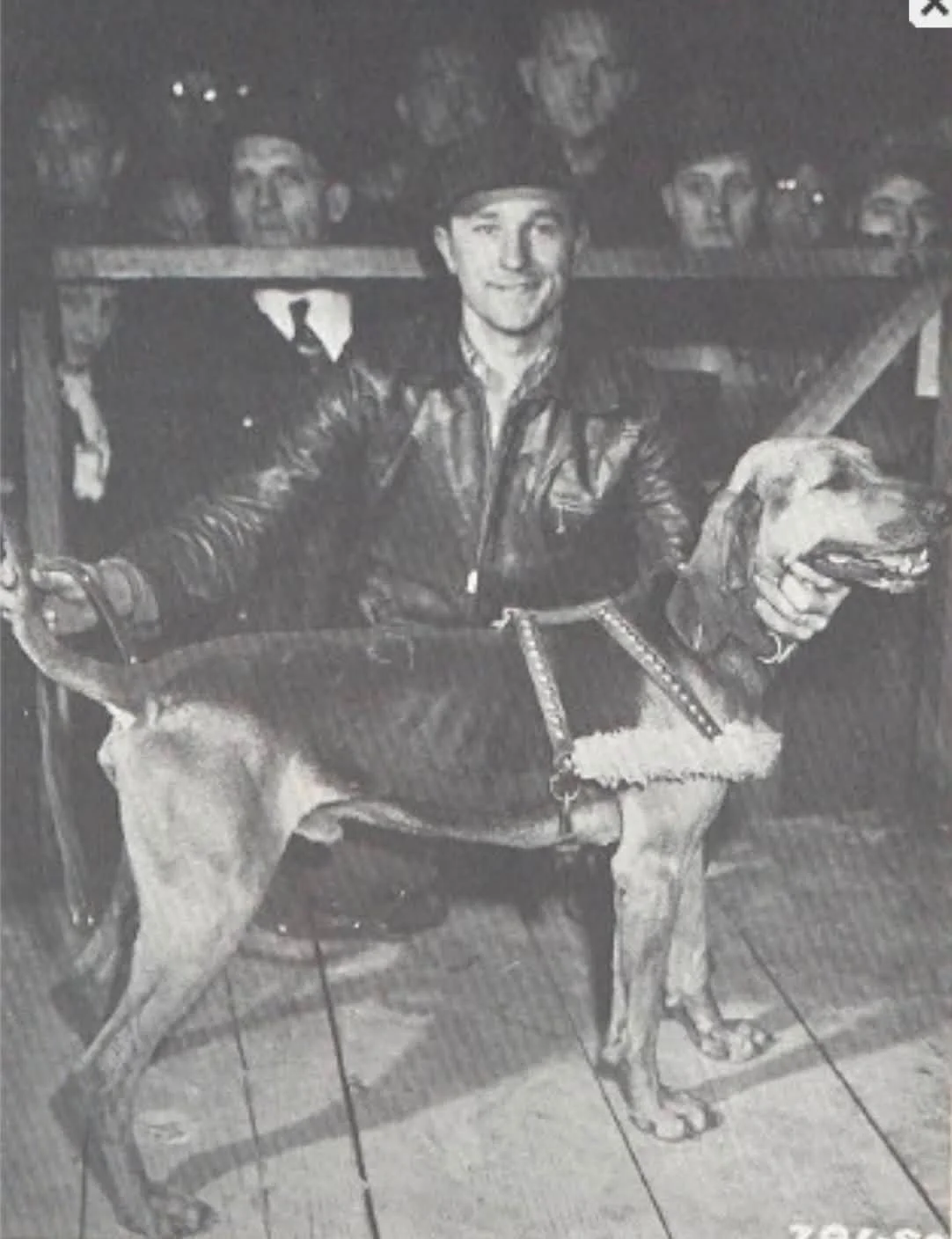
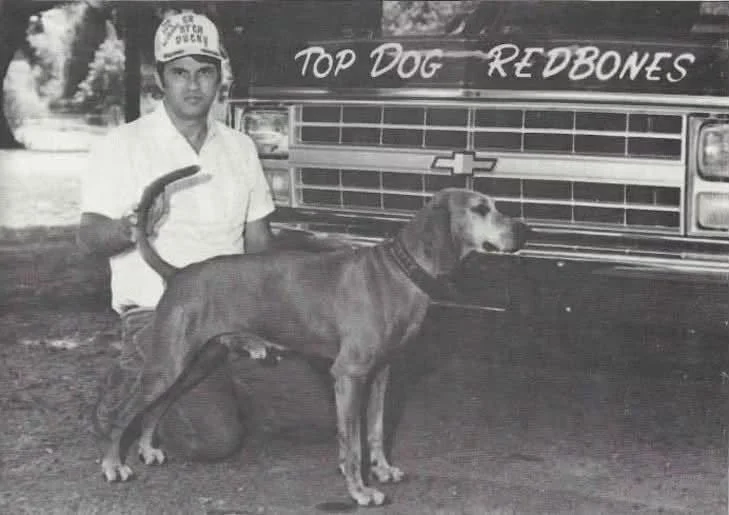
Over 200 Years of tradition, and breed loyalty
In 1812 and 1814, Bolton Jackson imported two renowned red Irish Foxhounds into Maryland. Decades later, Nimrod Gosnell continued breeding their descendants. In 1858, his finest hunting pair, a red and white male and a tan female produced a litter that would leave a lasting mark on American hound history.
That July, Gosnell sent two tan puppies, July and Mary, to Miles G. Harris of Georgia. Local houndsmen made fun of Harris because the pups lacked the extremely long ears considered necessary in traditional foxhounds. If the ears were not long enough to tie a knot around the muzzle, they weren’t good hunting dogs. Harris ignored the criticism, but was forced to hide the dogs away and gave them time to mature.
In October 1859, July was tested against experienced local foxhounds. Historical accounts describe the other dogs losing the trail while July stayed focused, driving the fox with his rapid “chop and yelp” voice. Mary died young, but July became the foundation sire of the legendary July Hound strain of the modern American Foxhound.
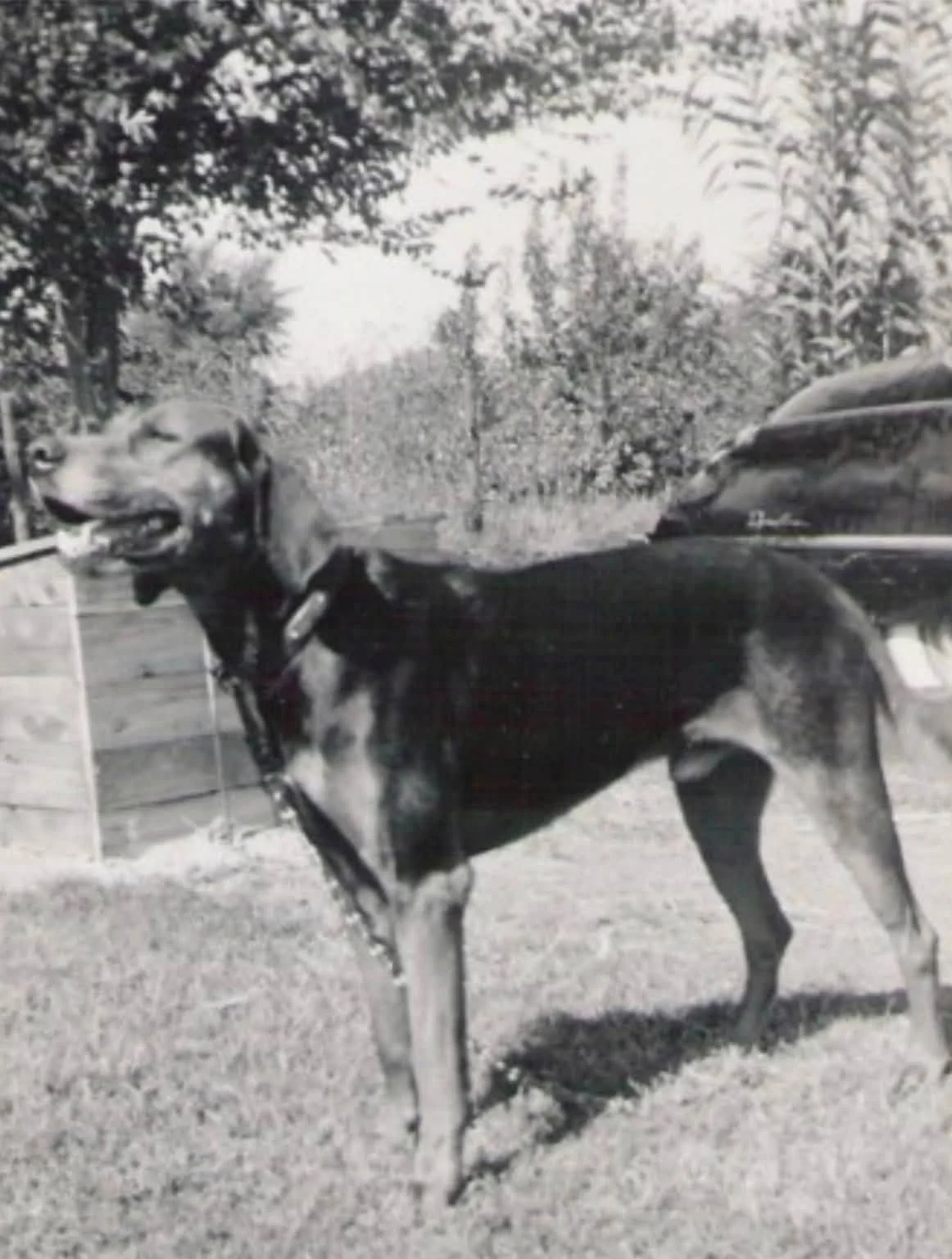
Harris later gifted July to George L. F. Birdsong, who was searching for faster, more capable foxhounds. Birdsong crossed July’s incredible speed and determination with his own red coated foxhounds, including a premier pack from Dr. Thomas Henry. The result was a powerful, agile, hot nosed hound known as the Saddleback, a red dog with a black blanket marking across its back. Those markings can still occasionally appear today.
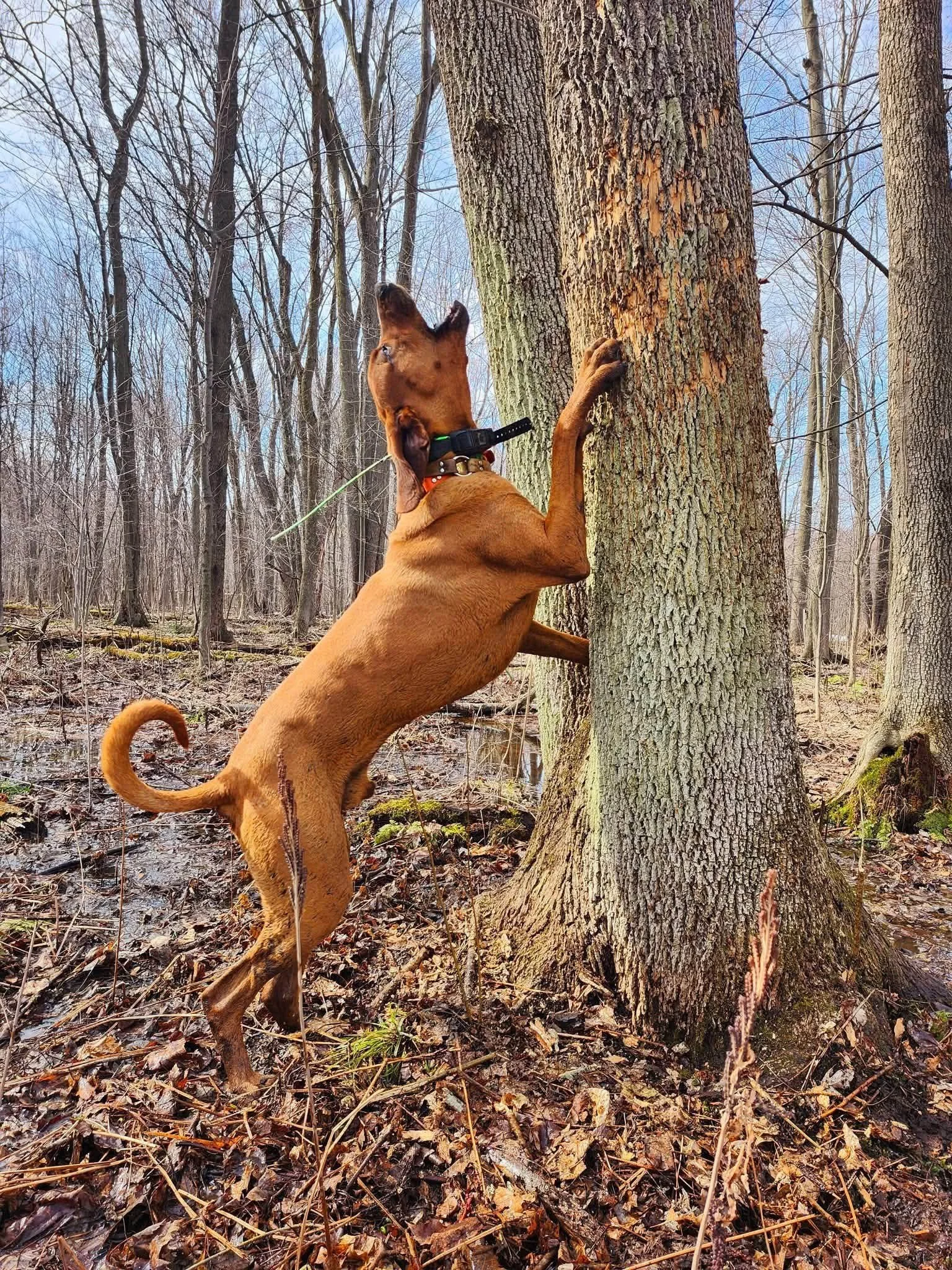
As these July Birdsong Foxhounds moved from fox hunting into the swamps and forests of the American South, hunters began selecting for the traits needed to pursue other game. Unlike foxes, raccoons escape by climbing trees, so breeders favored dogs with natural treeing ability, boldness, endurance, and the drive to work difficult terrain.
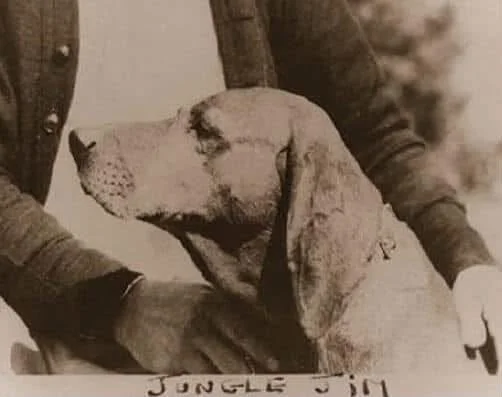
During the 1800s, the purebred Bloodhound as we know it today was extremely rare in the United States. Because of this, “bloodhound” was often used as a broad term for large, cold trailing scent hounds.
Early breed promoter W. B. Frisbee wrote that the breed, being described as Saddlebacked red dogs, actually originated in the South during the era of slavery and that these dogs were only later crossed with July Birdsong foxhound lines to create a faster, lighter hunting dog as their role evolved. While this account is a part of the breed’s recorded history, the exact details continue to be debated.
What we do know for certain, is that by the late 1800s, Peter Redbone of Tennessee established a highly respected breeding kennel. His dogs became famous for their tracking ability, and hunters began using the name “Redbone hound” for exceptional red coonhounds.
Before this, many of these dogs were known as Saddlebacks because of their black markings. Through generations of careful selection, Peter Redbone helped establish the rich, solid red coat that became the defining feature of the breed.
More than just a breed name and a standard, Peter Redbone refined the breed into a true “trail and tree” specialist, selecting for cold nose, endurance, treeing instinct, and the powerful voice that became a hallmark of the breed. His Tennessee hounds became renowned in night hunts and cemented the Redbone’s reputation as a relentless, intelligent hunting companion.
Today, the Redbone Coonhound is recognized for its striking mahogany, athletic ability, endurance, and legendary hunting instinct, which is the result of more than two hundred years of American houndsmen preserving and refining these historic bloodlines.